
What Is a Hole Opener Used For? Complete Guide for Drilling Applications
In modern drilling operations, efficiency and precision are everything.
One essential tool that plays a critical role—but is often misunderstood—is the hole opener.
👉 Simply put: A hole opener is used to enlarge an existing borehole to a larger diameter, improving well design, stability, and performance.
What Is a Hole Opener?
A hole opener (also called a reamer) is a drilling tool designed to:
- Expand a pre-drilled pilot hole
- Maintain hole diameter
- Improve borehole quality
👉 Drill bit = creates a hole | 👉 Hole opener = enlarges the hole
Main Uses of a Hole Opener
✔ 1. Enlarging Pilot Holes
Drill a smaller pilot hole → Run hole opener → Expand to final diameter. This improves drilling accuracy and control.
✔ 2. Improving Wellbore Stability
Maintain consistent diameter, prevent collapse in unstable formations, improve casing installation — especially useful in shale, sand, and soft formations.
✔ 3. Removing Ledges and Irregularities
Smooths and cleans the wellbore for better tool movement.
✔ 4. Preparing for Casing Installation
Ensures a smooth and uniform borehole before running casing.
✔ 5. Maintaining Hole Gauge (Wiper Trips)
Clean the hole, maintain diameter, remove cuttings buildup.
✔ 6. Directional & Horizontal Drilling
Pilot holes drilled first, then enlarged — improves trajectory control and drilling efficiency.
Types of Hole Openers
✅ 1. Fixed Diameter Hole Openers
Structure: Fixed size
Cutters: Roller cone / PDC / carbide
Advantage: Strong, stable, simple
👉 Best for standard hole enlargement
✅ 2. Under-Reamers (Expandable)
Structure: Expandable arms
Function: Enlarge beyond casing size
Advantage: Flexible and adjustable
👉 Used when larger hole is needed after casing
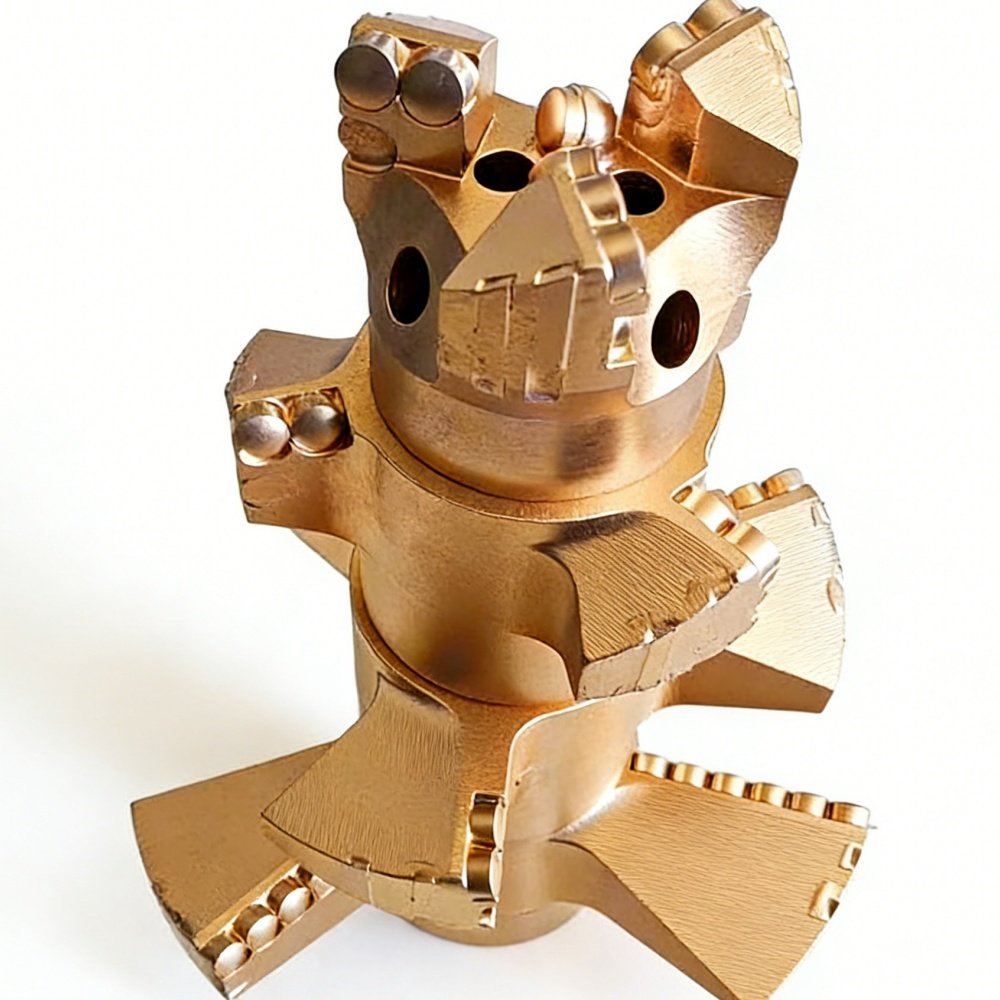
Roller cone hole opener – durable and stable.
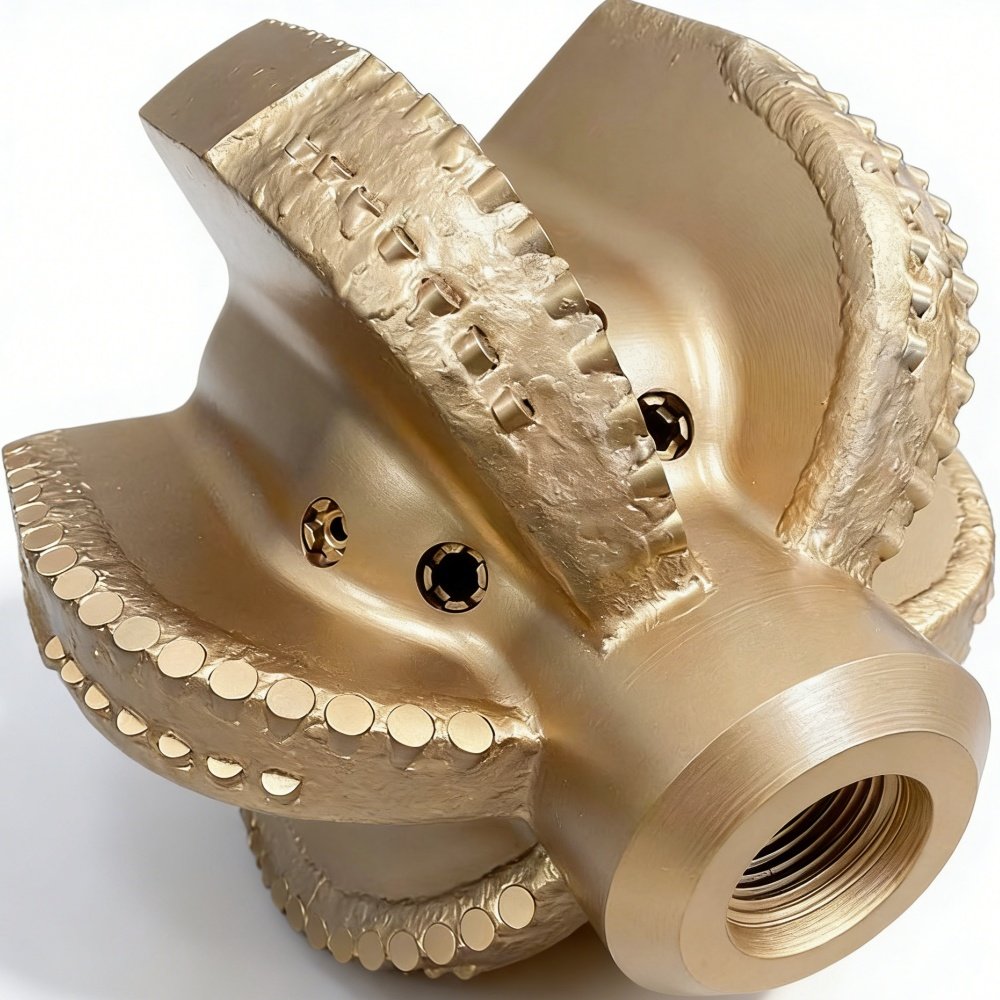
PDC reamer – high efficiency in soft to medium formations.
Hole Opener Structure (Core Components)
| Component | Function |
|---|---|
| Body | Structural support |
| Cutters | Break and remove formation |
| Nozzles | Clean and cool |
| Pilot/Bull Nose | Guide tool alignment |
How a Hole Opener Works
The working process is simple but powerful:
- Drill pilot hole
- Attach hole opener to drill string
- Lower into hole
- Rotate and enlarge borehole
👉 Result: a larger, smoother, and more stable hole
Typical Applications
Hole openers are widely used in:
- Oil & gas drilling
- Water well drilling
- Mining
- HDD (horizontal directional drilling)
- Construction and infrastructure
Key Advantages of Hole Openers
Common Mistakes to Avoid
- ❌ Using wrong size
- ❌ Ignoring formation conditions
- ❌ Poor hydraulic design
- ❌ Using instead of drill bit
👉 Result: inefficiency and tool damage
Chenghui Drilling Tools: Professional Hole Opener Manufacturer
At Chenghui Drilling Tools Manufacturing, we provide high-performance hole openers for global drilling projects.
- ✅ Roller cone hole openers
- ✅ PDC hole openers
- ✅ Custom sizes and designs
- ✅ Solutions for different formations
Our mission: 👉 Improve drilling efficiency • Ensure borehole quality • Reduce overall project cost
Conclusion
So, what is a hole opener used for? 👉 It is an essential tool for enlarging, stabilizing, and optimizing boreholes in modern drilling operations.
By using the right hole opener, you can improve drilling performance, reduce operational risk, and achieve better project results.
👉 Contact Chenghui Drilling Tools today for the right hole opener solution for your drilling project.
Keywords: hole opener, reamer, borehole enlargement, wellbore stability, under-reamer, fixed diameter reamer, drilling tools, Chenghui drilling tools.