
How to Choose the Right PDC Drill Bit for Different Rock Formations
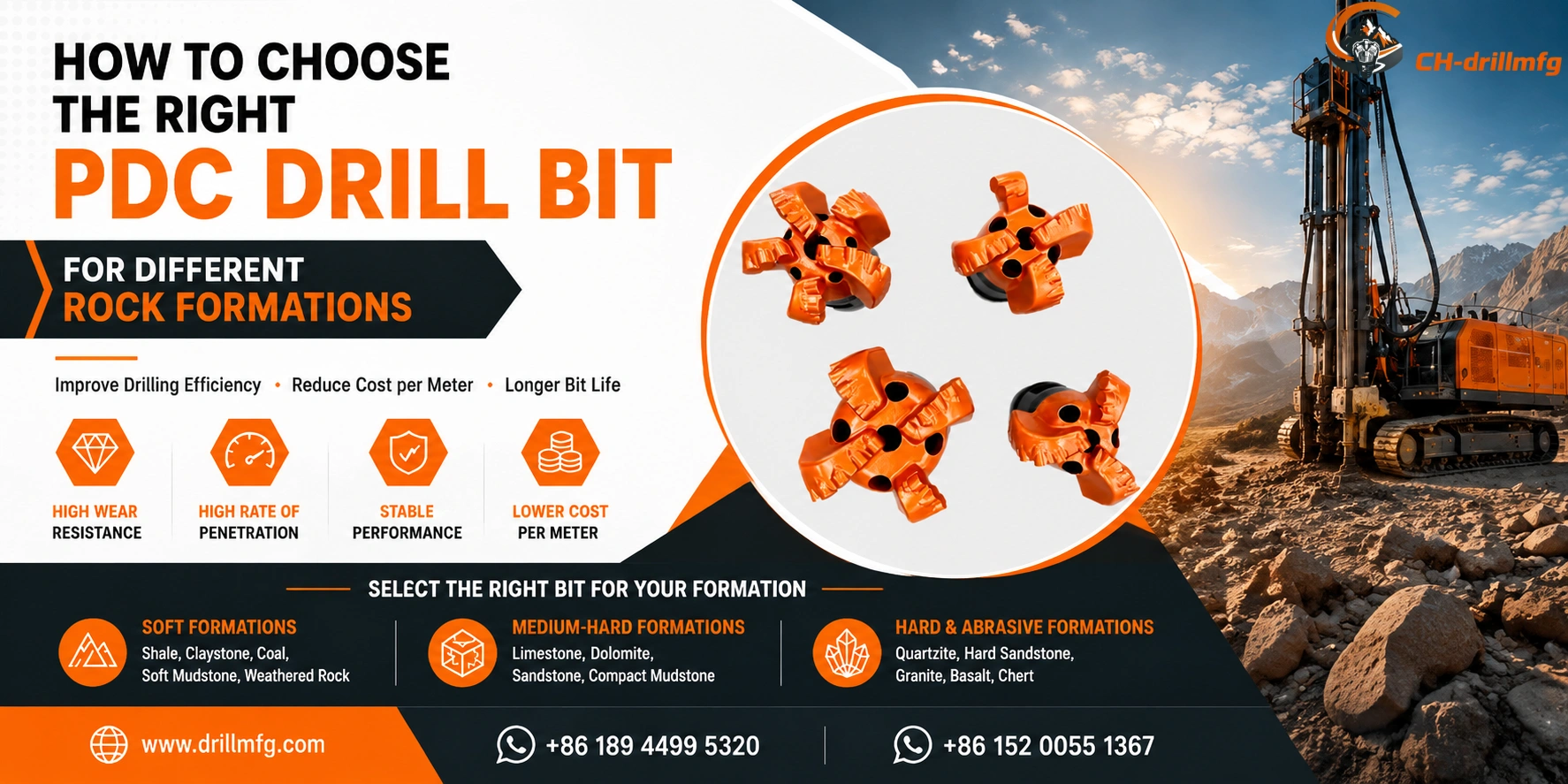
Choosing the right PDC drill bit is one of the most important decisions in any drilling project.
A drill bit that performs efficiently in soft sandstone may experience rapid cutter wear, vibration, or low penetration rates when used in abrasive or highly fractured rock. In many cases, poor drilling performance is not simply caused by the quality of the bit. The real problem is often a mismatch between the PDC bit design and the actual formation.
For water well drilling, geothermal drilling, mining, blast hole drilling, gas drainage holes, anchor cable holes, and geological drilling, understanding the formation before selecting a PDC drill bit can significantly improve drilling efficiency and reduce the cost per meter.
In this guide, we explain how to choose the right PDC drill bit for different rock formations and which design factors should be considered before drilling.
What Is a PDC Drill Bit?
A PDC drill bit is a fixed-cutter drilling tool equipped with Polycrystalline Diamond Compact cutters. Unlike roller cone or tricone bits that mainly crush and grind the rock, PDC cutters remove rock through a shearing action. As the bit rotates, the diamond cutting edges continuously engage the formation and shear material from the bottom of the hole.
This cutting mechanism can provide several advantages:
- High rate of penetration in suitable formations
- Long cutter life
- No moving cones or bearings
- Stable drilling performance
- High wear resistance
- Fewer bit changes in appropriate drilling conditions
- Lower drilling cost per meter when correctly selected
However, there is no single PDC drill bit design that is suitable for every formation. The number of blades, cutter size, cutter density, bit profile, gauge protection, hardfacing, hydraulic design, and body structure should all be selected according to the drilling conditions.
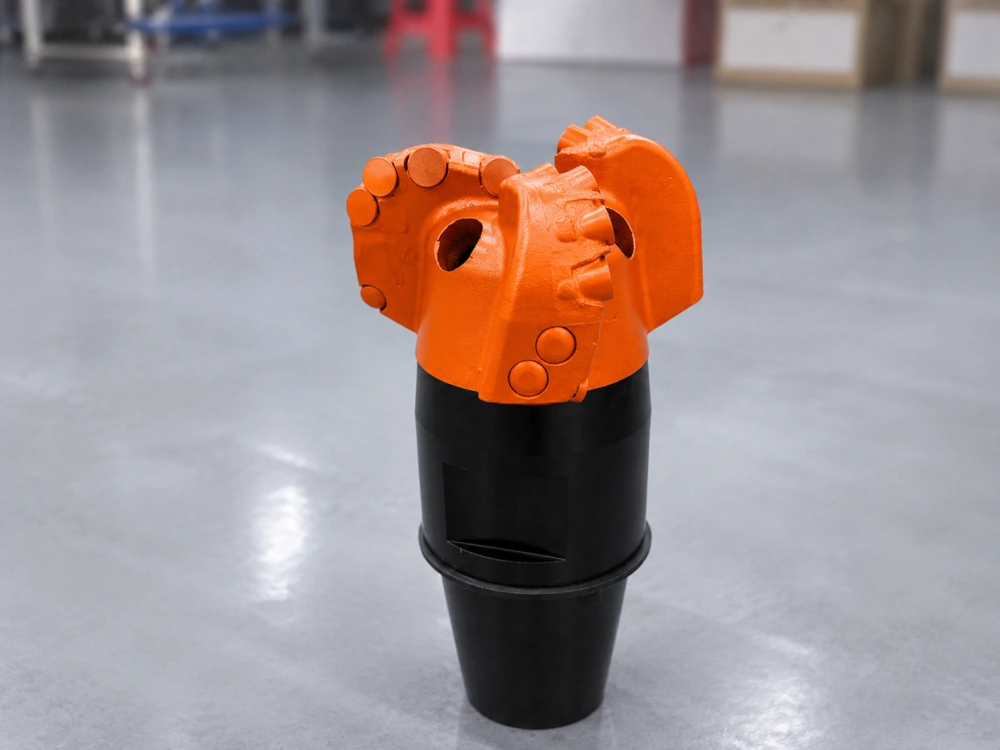
Why Rock Formation Matters When Selecting a PDC Drill Bit
Rock formations have different mechanical and geological characteristics. Before selecting a PDC bit, drilling contractors should consider several important formation factors:
Hardness
Soft formations are generally easier for PDC cutters to shear. As formation strength increases, the cutting structure may require stronger cutters, increased blade support, and a more durable bit design.
Abrasiveness
Sandstone and other quartz-rich formations can produce significant abrasive wear. Additional tungsten carbide hardfacing and improved gauge protection can help increase bit durability.
Homogeneity
PDC drill bits generally perform efficiently in relatively uniform formations. Frequent transitions between soft and hard layers may generate impact loading and vibration.
Fractures & Broken Rock
Highly fractured rock can create unstable cutter engagement. For these formations, a more stable cutting structure and appropriate drilling parameters are important.
Stickiness & Bit Balling
Clay, sticky mudstone, and reactive formations may cause bit balling. Large junk slots, effective fluid channels, and sufficient flushing capacity are essential for cuttings removal.
PDC Drill Bit for Soft Formations
Typical soft formations may include soft shale, claystone, coal seam, soft mudstone, weathered rock, soft sandstone, and backfill formations. In these formations, the main drilling objective is usually to achieve a high rate of penetration.
Recommended Features
- Fewer blades (3-wing or 4-wing)
- Larger junk slots
- Aggressive cutter exposure
- Efficient hydraulic cleaning
- Open bit face design
Typical Applications
- Water well drilling
- Coal mine gas drainage holes
- Grouting holes
- Anchor cable drilling
- Slope support drilling
- Blast hole drilling
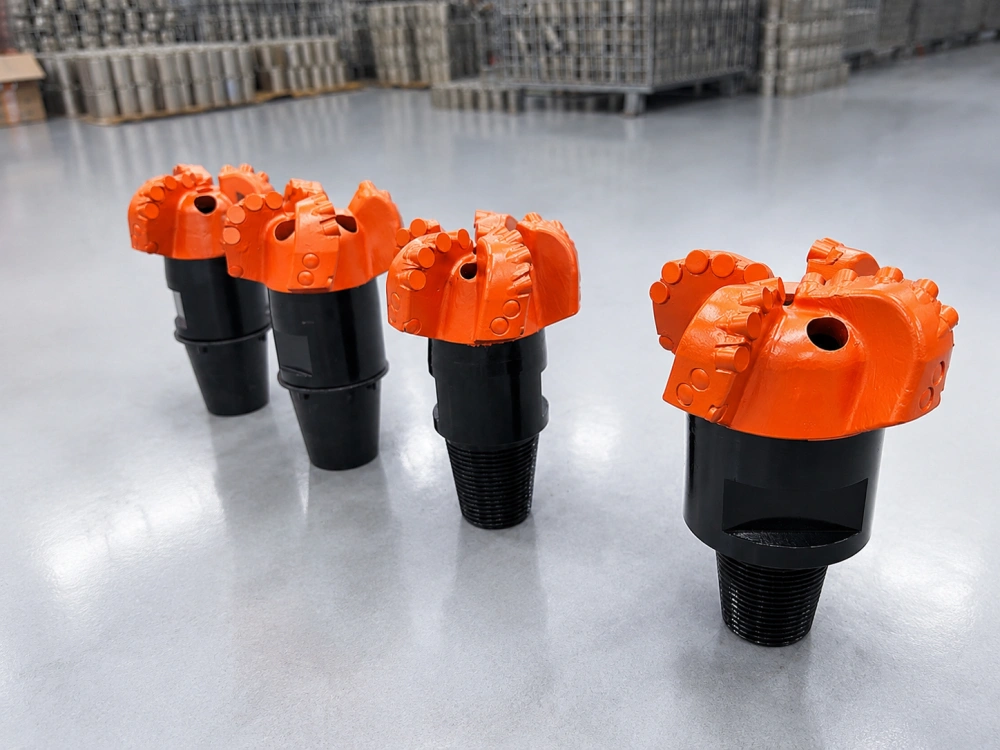
PDC Drill Bit for Medium-Hard Formations
Medium-hard formations may include limestone, dolomite, medium-hard sandstone, compact mudstone, and mixed sedimentary formations. These formations require a balance between drilling speed and cutter durability.
Depending on the formation, four-blade, five-blade, or other customized PDC bit designs may be considered. Important design factors include balanced cutter distribution, increased blade support, suitable cutter back rake, reinforced gauge protection, tungsten carbide hardfacing, and optimized hydraulic channels.
Can PDC Drill Bits Drill Hard Rock?
This is one of the most common questions from drilling contractors. The answer is: it depends on the rock and the PDC bit design.
Modern PDC cutters and cutting structures have significantly expanded the application range of PDC drill bits. However, very hard, highly abrasive, fractured, or impact-prone formations can still be challenging for conventional PDC bits. Examples include hard granite, quartz-rich abrasive rock, highly fractured hard limestone, conglomerate, and hard interbedded formations.
In hard rock conditions, using a standard soft-formation PDC bit may result in: cutter chipping, broken cutters, severe gauge wear, blade erosion, low penetration rate, high torque fluctuation, and premature bit failure.
Before drilling hard rock, the formation should be carefully evaluated. Depending on the geological conditions, a reinforced PDC bit, tricone bit, hybrid cutting structure, or another drilling solution may be more appropriate. Do not select a drill bit based only on diameter. Formation matching is more important.
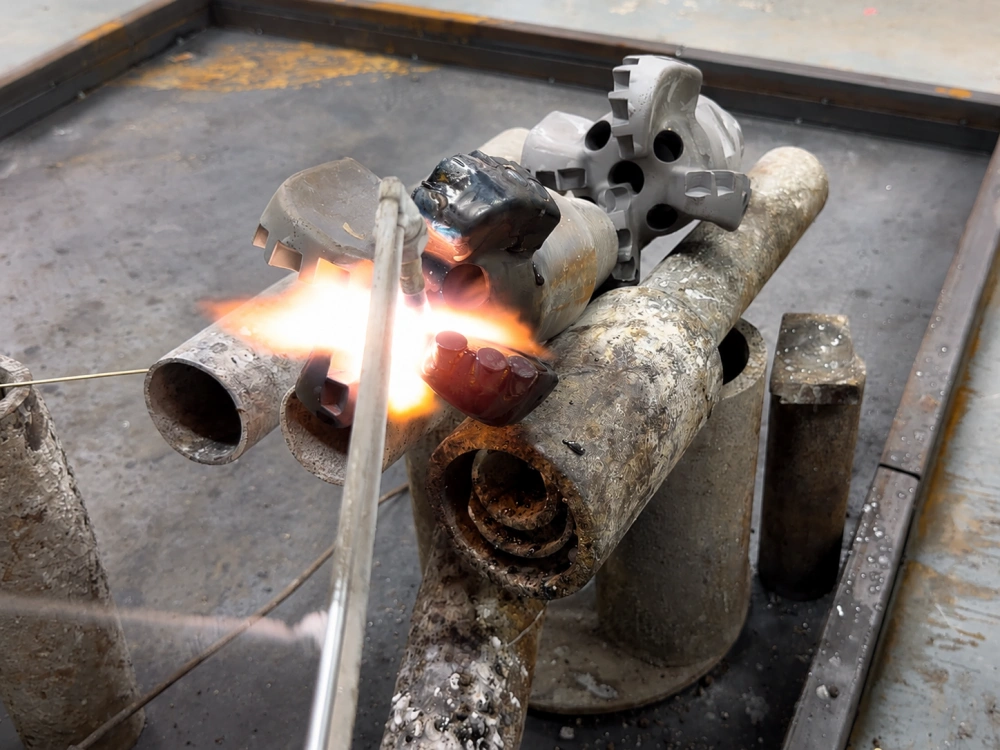
3-Blade vs. 4-Blade vs. 5-Blade PDC Drill Bits
The number of blades is an important part of PDC bit design. However, more blades do not automatically mean better drilling performance.
Steel Body vs. Matrix Body PDC Bits
- Steel body — Good structural toughness, flexible blade geometry, wear-resistant hardfacing can be applied. Widely used in water well, mining, geological, and construction drilling.
- Matrix body — Excellent resistance to erosion and abrasive wear. Commonly used in demanding drilling environments where bit body erosion is a major concern.
Cutter Size, Density, and Layout
- Cutter size — Larger cutters provide aggressive action; smaller cutters allow higher density and better load distribution.
- Cutter density — Higher density distributes loads but must be balanced with hydraulic cleaning.
- Back rake — Aggressive angle improves penetration in soft rock; conservative angle improves stability in hard rock.
- Gauge cutters — Reinforced gauge protection is critical for maintaining borehole diameter in abrasive formations.
Why PDC Drill Bits Wear Out Too Quickly
Common Causes
- Incorrect bit selection
- Highly abrasive formations
- Excessive WOB or RPM
- Poor hole cleaning
- Severe vibration
- Bit balling
- Impact from fractured rock
- Insufficient gauge protection
How to Diagnose
- Severe gauge wear → abrasive conditions or insufficient protection
- Cutter chipping → impact loading or vibration
- Bit balling → poor hydraulic cleaning or sticky formation
Inspecting used bits helps optimize the next design.
How to Improve PDC Drill Bit Life
- Match the bit to the formation — provide rock type, hardness, abrasiveness, and structure.
- Use appropriate WOB — excessive load increases cutter damage and vibration.
- Control rotary speed — RPM should match bit design and formation.
- Maintain effective flushing — avoid recutting, heat accumulation, and bit balling.
- Inspect used bits — photos of inner, nose, shoulder, and gauge cutters are extremely useful for optimization.
PDC Drill Bit Selection Quick Reference
| Formation Type | Recommended Blades | Cutter Size | Key Features |
|---|---|---|---|
| Soft (Clay, Shale, Sand) | 3–4 Wing | 91–325 mm | Aggressive exposure, large junk slots |
| Medium (Limestone, Dolomite) | 4–5 Wing | 91–325 mm | Balanced cutter density, reinforced gauge |
| Hard (Granite, Quartz-rich) | 5+ Wing (Reinforced) | 91–325 mm | Stability, impact resistance, matrix body |
What to Send to a PDC Bit Manufacturer
For a customized PDC core drill bit, provide:
- Drill bit diameter
- Rock formation (with sequence if multi-layer)
- Formation hardness and abrasiveness
- Drilling depth
- Hole application
- Drilling rig model
- Rotary speed (RPM)
- Weight on bit or feed pressure
- Flushing method
- Thread connection required
- Photos of previously used bits
Example: 0–30m: clay/weathered rock; 30–80m: sandstone; 80–150m: limestone/dolomite.
Customized PDC Drill Bits from Chenghui
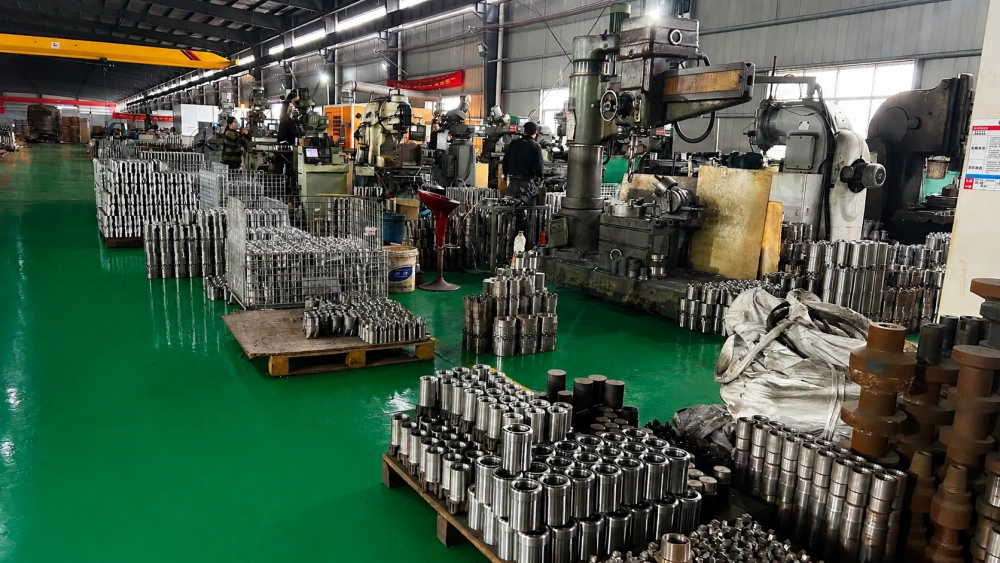
Chenghui Drilling Tools Manufacturing Co., Ltd. manufactures PDC drill bits for water well, geothermal, mining, geological exploration, blast hole, gas drainage, grouting, anchor cable, and slope support drilling.
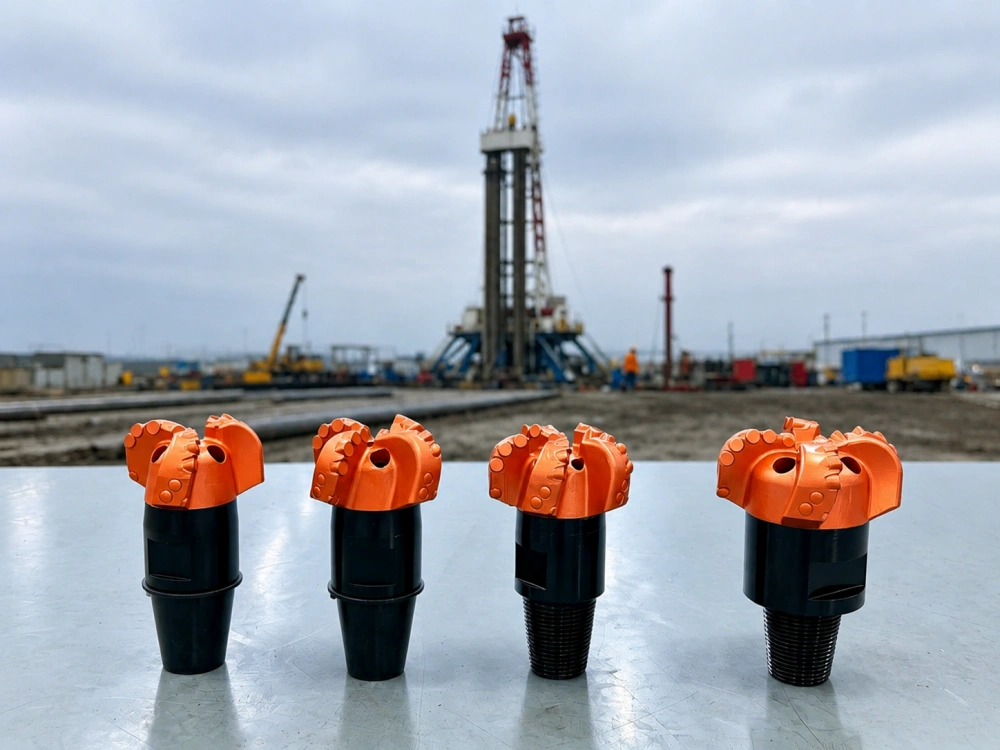
Available options include 3-wing, 4-wing, 5-wing, multi-blade, PDC core, and non-coring bits, with customized sizes, cutter layouts, thread connections, hardfacing, and gauge protection.
Need Help Choosing the Right PDC Bit?
The best PDC bit is not the one with the most cutters or blades. It is the one designed for your formation, rig, and drilling parameters.