
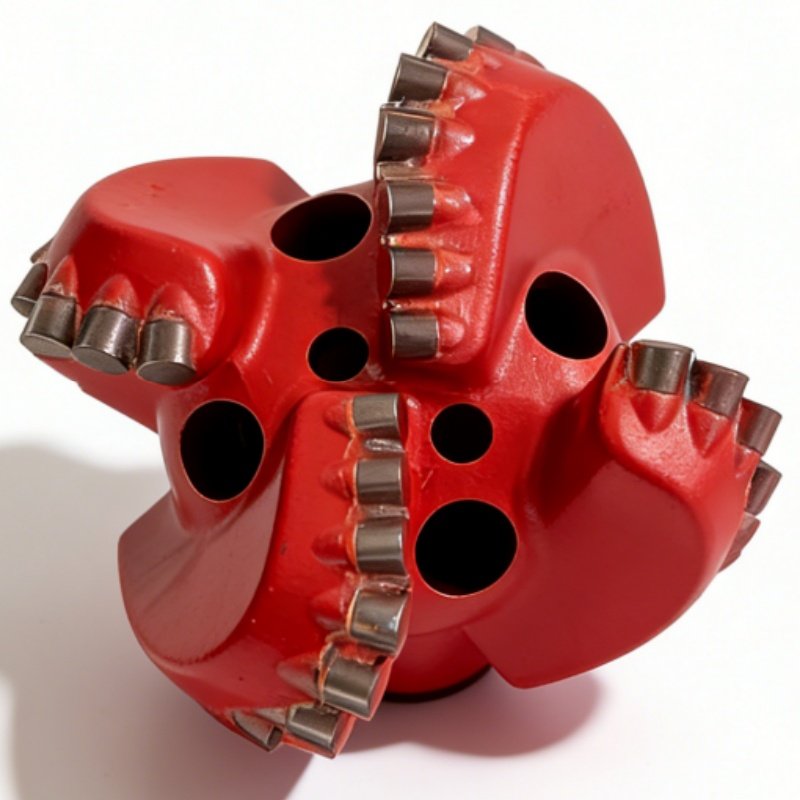
Geothermal Drilling Solutions: Bits, Parameters & Cost Optimization
Overcome high temperatures, fractured rock, and extreme wear with proven drilling strategies.
As global demand for renewable energy continues to grow, geothermal energy has become one of the most reliable and sustainable power sources. However, geothermal drilling presents unique technical challenges, including high temperatures, abrasive formations, fractured rock zones, and extreme downhole pressure conditions. To ensure successful geothermal projects, drilling contractors must adopt optimized drilling tools, proper bit selection, and scientifically designed drilling parameters. This article explores practical geothermal drilling solutions, focusing on drill bit selection, formation adaptation, performance optimization, and cost control strategies.
🔥 1. Challenges in Geothermal Drilling
Unlike conventional water well or oil & gas drilling, geothermal wells often involve high formation temperatures (frequently exceeding 150–300°C), hard and abrasive volcanic rock formations, highly fractured and unstable zones, deep well structures with high torque demand, and severe wear on drill bits and drilling tools. These conditions significantly reduce tool life if improper equipment is selected. Therefore, geothermal drilling requires specialized drilling solutions designed for durability, thermal resistance, and mechanical stability.
⛏️ 2. Selecting the Right Drill Bit for Geothermal Projects
Widely used due to high ROP, wear resistance, smooth cutting, reduced vibration, and long life. Recommended configurations:
- Reinforced gauge protection
- High-density PDC cutters
- Optimized blade design for cooling
- Advanced hydraulics for debris removal
- High‑temperature‑resistant cutter materials
Recommended for extremely hard or fractured formations due to high impact resistance and tolerance to irregular lithology. Many geothermal projects use a combination strategy: tricone in upper hard layers, then PDC in more stable sections.
📊 3. Optimizing Drilling Parameters for Geothermal Wells
Correct parameters are critical to maximize bit life and performance.
| Parameter | Recommendation | Notes |
|---|---|---|
| WOB | Moderate, gradual increase in hard formations | Avoid overloading cutters |
| RPM | Lower in hard/abrasive rock; higher in softer layers | Typical range: 40–100 RPM |
| Hydraulic Flow | Strong bottom‑hole cleaning, efficient cooling | Prevent thermal degradation |
| Torque Control | Maintain stable torque, avoid fluctuations | Reduce vibration |
🔥 4. Thermal Resistance and Bit Design
High downhole temperatures can weaken standard cutter materials and reduce bonding strength. Effective geothermal drilling solutions should include:
- Thermally stable PDC cutters
- Optimized braze technology
- Heat‑dissipation blade geometry
- Reinforced bit body structure
High‑temperature resistant drill bit design is one of the key factors in extending bit lifespan under geothermal conditions.
💰 5. Cost Control and Efficiency Optimization
- Select formation‑matched drill bits
- Reduce unnecessary bit trips
- Improve ROP with optimized hydraulics
- Use durable gauge protection
- Apply real‑time parameter monitoring
🔧 6. Integrated Geothermal Drilling Solutions
A complete geothermal drilling solution should include customized bit design, parameter recommendation support, formation analysis consultation, tool selection guidance, and after‑sales technical assistance. Instead of simply supplying drill bits, manufacturers should provide application‑based engineering solutions tailored to each geothermal project.
📋 Field Example: Geothermal Project in Iceland
A geothermal operator in Iceland faced extreme wear in basaltic formations with temperatures exceeding 250°C. Standard PDC bits lasted only 40 hours, causing frequent tripping.
Engineers introduced a thermally stable PDC bit with reinforced cutters and optimized hydraulics. WOB was reduced from 12 klbs to 8 klbs, RPM from 90 to 65. Bit life extended to 98 hours, ROP increased by 25%, and two trips were saved.
Drilling Manager: “The combination of thermal design and parameter control doubled our footage per bit.”
🚀 Conclusion
Geothermal drilling requires specialized tools, optimized drilling parameters, and strong thermal resistance design. By combining high-performance PDC drill bits, appropriate tricone applications, and scientifically controlled drilling parameters, contractors can significantly improve drilling efficiency while reducing operational risk and cost. With the right geothermal drilling solutions, renewable energy projects can achieve higher productivity, longer tool life, and greater economic return.